Out and about
What to pack in a diaper bag, and what to leave at home
A diaper bag tends to go one of two ways: it holds everything you own, or it is missing the one thing you need. Packing in small kits fixes both.


On this page
Every parent has had the moment: kneeling on a public restroom floor, a baby mid-change, and the wipes are at home on the dresser. Or the opposite: a bag so heavy it leaves a groove in your shoulder, full of things you haven't used since the second week.
A well-packed diaper bag is smaller than you would think. The trick is to pack by job instead of by item, and to restock it before you need it, not when you need it.
Pack in kits, not items
Instead of dropping things loose into the bag, group them into three or four zip pouches, one per job:
- Changing kit: diapers, wipes, cream, a changing pad and a couple of bags for dirty diapers.
- Clothes kit: one full spare outfit, rolled tight.
- Feeding kit: whatever your baby eats or drinks, plus a burp cloth.
- Your kit: phone charger, keys, a snack, painkillers, hand sanitizer.
Kits make everything easier. You can grab just the changing kit and leave the bag at the table. You can see at a glance what is missing. And when you switch bags, or hand the baby and the bag to someone else, you move four pouches, not forty things. A changing pad with its own pockets, like our portable changing pad, is a whole changing kit in one: the diapers and wipes live inside it, and it folds up with a handle.
The everyday list
For a normal outing of a couple of hours, this covers nearly everything:
- Diapers: one for every two to three hours you will be out, plus two spare
- A travel pack of wipes
- Diaper cream
- A changing pad
- Two or three bags for dirty diapers and wet clothes
- One full change of clothes, including socks
- A burp cloth or muslin
- Feeding supplies for one feed more than you expect to need
- A pacifier, if your baby uses one, and a spare
- Hand sanitizer
Add for a full day
- A second change of clothes
- Extra diapers, feeds and snacks
- A light blanket or extra layer for when the weather or the air conditioning changes
- Sunscreen for babies over six months, and a sun hat
- One or two small toys or books
- Any medicine your child needs, with the dosing syringe
What changes as your baby grows
Newborn
The most diapers, the most clothes, and feeding supplies that depend on how you are feeding. If you use formula, carry pre-measured powder and a bottle of water rather than making bottles up ahead of time. Newborns also get cold easily, so a layer is worth the space.
Six to twelve months
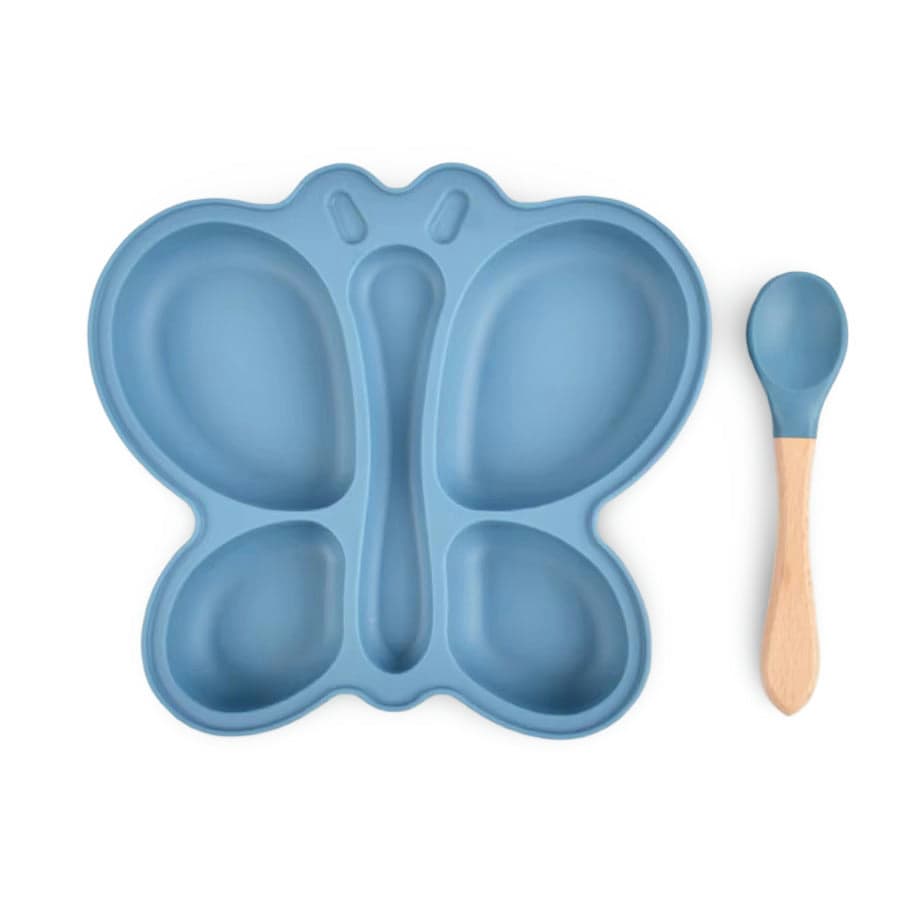
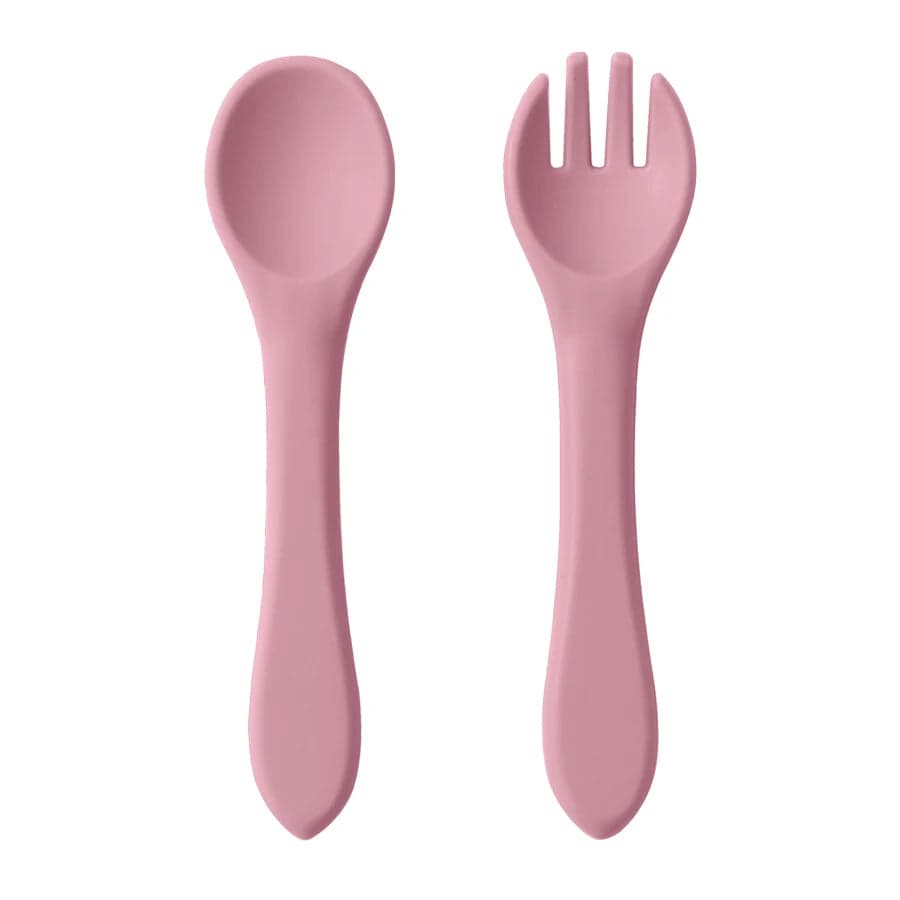
Solid food arrives, and with it a spoon, a bib and a couple of pouches or small containers. A cup of water comes along too. Fewer diapers, but blowouts don't stop, so the spare outfit stays.
Toddler
Snacks become the most important thing in the bag. A silicone snack cup with a lid that small hands can reach into, but that doesn't pour crackers all over the car seat when it tips, earns its place quickly. Add a water bottle and something to keep them busy in a queue. Once potty training starts, a folding travel potty saves a lot of sprinting to find a restroom, which always seems to be at the far end of the store.
Choosing the bag
There is no best diaper bag, only the one that suits how you get around.
- A backpack leaves both hands free and spreads the weight, which matters more than it seems when you are also carrying a baby. Our diaper backpack is about 40 by 25 by 15 cm with a waterproof outside and a wide zip opening, so you can see what's inside without unpacking it.
- A tote is quicker to get into and looks less like baby gear. The trade-off is that it hangs from one shoulder. The waterproof diaper bag is a large tote with a zipped main compartment and an adjustable shoulder strap. The cotton bag with bear embroidery is smaller, softer and prettier, and suits short trips when a full-size bag is overkill.
- A big everyday bag works if you would rather not carry a dedicated diaper bag at all. Put your kits inside a roomy tote like our 48 cm mom bag and it does the same job.
Whatever you choose, look for a lining that wipes clean, at least one pocket you can reach one-handed, and a zip across the top. Open totes spill in car trunks.
One warning: don't hang a heavy bag from the stroller handlebar. When you lift the baby out, the weight can tip the stroller backwards. Use the basket underneath for anything heavy. A clip-on cup and phone holder keeps your coffee and phone within reach without weighing down the handle.
What to leave at home
- Full-size bottles of lotion, shampoo or sunscreen. Decant them, or buy travel sizes.
- A whole pack of wipes, when a travel pack refilled from the big one weighs a third as much.
- More than two toys. Babies are more interested in your keys anyway.
- Clothes that don't fit any more. Which brings us to the restock.
The five-minute restock
The single best diaper bag habit: restock it as soon as you get home, while you still remember what you used. Refill the diapers, top up the wipes, replace the spare outfit, empty the crumbs and throw out the half-eaten snack.
And every month or so, check that spare outfit. Babies outgrow clothes quickly, and the most common diaper bag failure isn't a missing outfit, it's a spare that stopped fitting two sizes ago.
If you are packing for a flight rather than an afternoon out, we have a separate carry-on list for flying with a baby.
About this piece. We sell some of the things mentioned here, and we’ve tried to be straight about when they aren’t the right choice.
The things we mention


More from the journal
Flying with a baby: what to pack and what actually helps
The flight itself is rarely the hard part. Security, the changing table the size of a cutting board and the forty minutes of taxiing are where a bit of planning pays off.
Starting solids: the gear that helps, and what you can skip
You need less than the baby aisle suggests: a safe seat, a soft spoon, something the food can't slide off, and something to catch what falls.
Babyproofing, room by room: what to do first
Most babyproofing lists treat a corner guard and an unanchored dresser as equal. They aren't. This one starts with the jobs that prevent the worst injuries.