Out and about
Flying with a baby: what to pack and what actually helps
The flight itself is rarely the hard part. Security, the changing table the size of a cutting board and the forty minutes of taxiing are where a bit of planning pays off.


On this page
A first flight with a baby tends to go better than people fear. Babies sleep on planes, and they are soothed by the noise. Other passengers are mostly kinder than you expect. The parts that go wrong are more mundane: a bottle confiscated at security, a blowout at 30,000 feet with the spare clothes in the checked bag, a stroller that didn't come back to the gate.
Almost all of that can be planned for. Here is what we would think about before booking, at security, and on board, plus a carry-on list that actually fits under the seat.
Before you book
Lap or seat?
On US flights, children under two can travel on an adult's lap, usually free on domestic routes and for a fraction of the fare on international ones. It saves money, and many families do it.
The FAA is clear, though, that the safest place for a baby on a plane is in their own seat, in an approved car seat or child restraint. Turbulence can come without warning, and an adult can't reliably hold on to a baby through a hard jolt. If you can afford the seat, it is also more comfortable for everyone on a long flight. Look for a label on the car seat that says it is certified for use in motor vehicles and aircraft.
Timing and seats
- Book around sleep if you can. A flight during a usual nap, or an evening flight on a long route, tends to be easier than one that starts at the witching hour.
- Direct beats cheap. One takeoff and one landing is one set of ear pressure changes, and nobody needs to sprint across a terminal with a car seat.
- Ask about bassinets on long flights. Many international airlines have wall-mounted bassinets at bulkhead rows for young babies. They are limited and have weight limits, so ask when you book, not at the gate.
- Check the minimum age. Airlines set their own rules for very young babies, and some want a doctor's note for newborns.
Getting through security
This is where most of the stress comes from, and the TSA rules are more generous than many parents realize.
- Formula, breast milk, juice and baby food are allowed in larger amounts than 3.4 ounces, in reasonable quantities for the trip, and they don't need to go in your quart-size liquids bag. Take them out of your bag and tell the officer you have them at the start of screening. They may be X-rayed or tested.
- Ice packs and freezer packs used to keep milk or formula cold are allowed too.
- Breast milk is allowed even when your baby isn't flying with you, which matters if you are pumping on a work trip.
- Strollers and car seats go through the X-ray machine if they fit; if not, they are inspected by hand. Take your baby out first. If you are using a carrier, ask the officer whether you can keep your baby in it, as the rules depend on the checkpoint.
- Children don't need ID for domestic US flights, but airlines often ask for proof of age for a lap infant, so bring a copy of the birth certificate. International trips need a passport for every baby, and they take a while to arrive, so apply early.
Pre-measured formula makes all of this easier. A stacking formula dispenser with one feed in each 120 ml layer means no scooping over an airplane tray table, and the same container carries snacks once your baby is older.
The carry-on
Pack as if your checked bag might not arrive for a day, and assume every flight will be delayed. A diaper backpack leaves both hands free for boarding passes and a baby. Here is what goes in it:
- Diapers: one for every hour of travel door to door, plus a few extra
- Wipes, diaper cream and a foldable changing pad
- Two complete changes of clothes for your baby, and a spare top for you
- Sealable bags for anything soiled
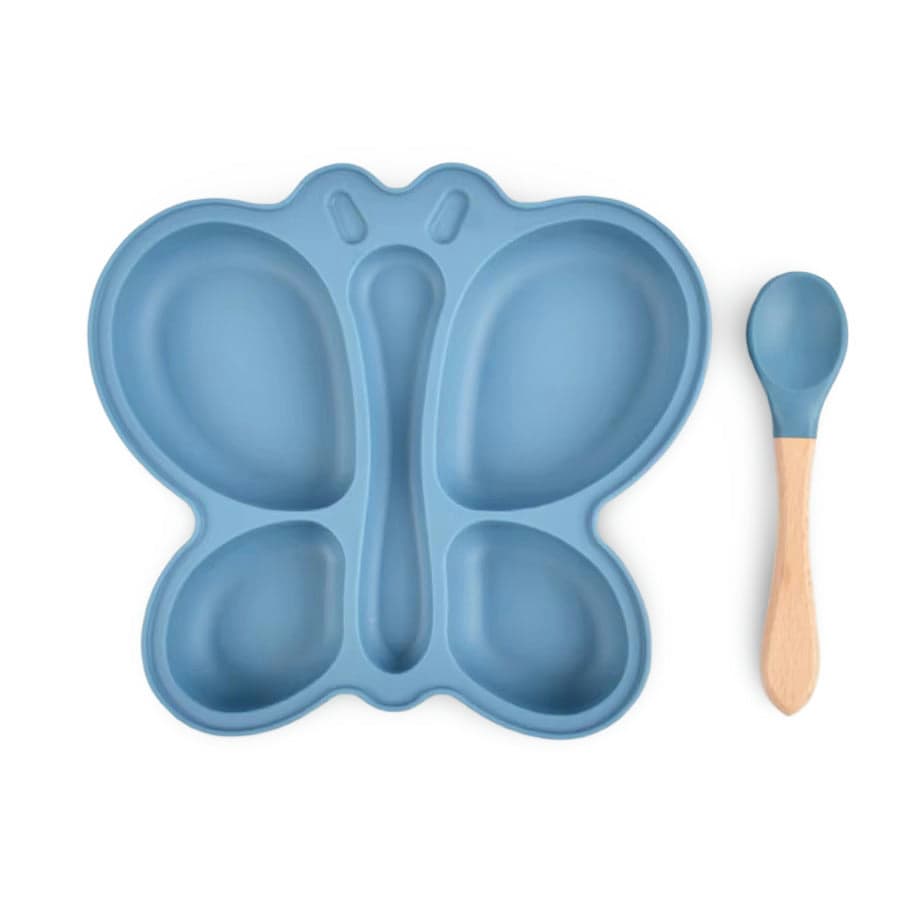
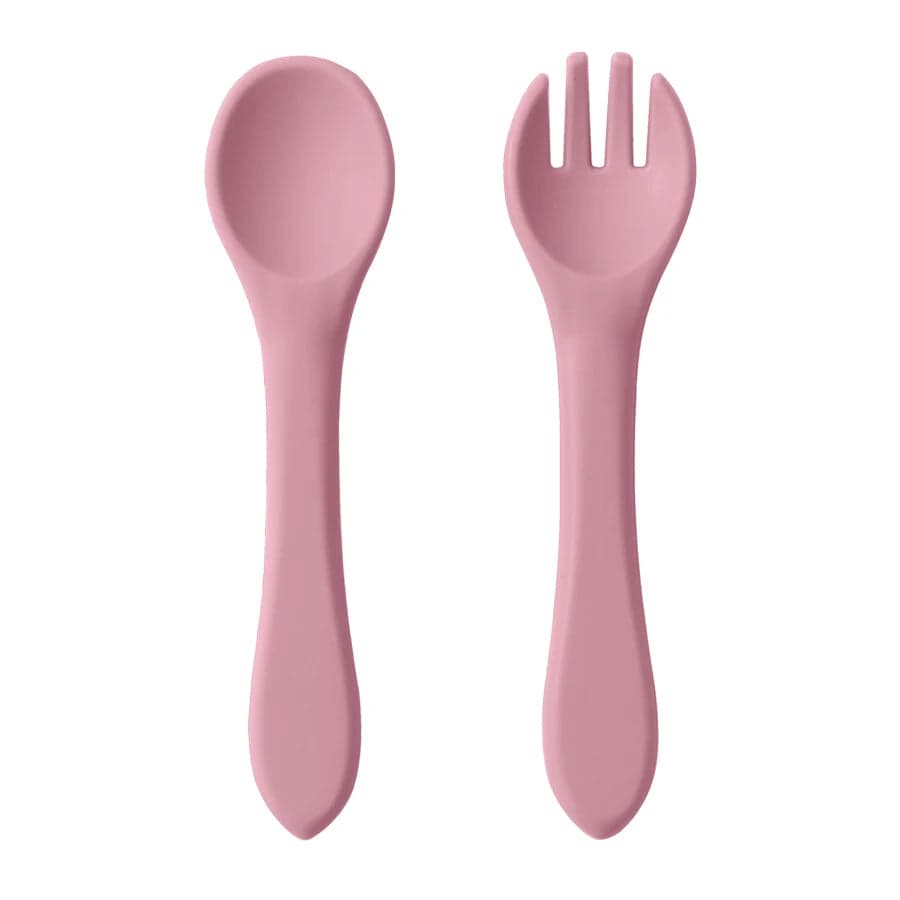
- Feeding supplies for twice the flight time: formula, bottles, breast milk with an ice pack, or food and a spoon
- Pacifiers, with a spare, and a pacifier clip so they don't end up under the seat in front
- A muslin blanket: planes are cold, and one muslin works as a blanket, burp cloth, nursing cover and a clean surface for a baby to lie on
- Two or three small toys, including one they haven't seen before
- Any medicines your baby takes, and the infant pain reliever your pediatrician is happy with
- Documents: passport or birth certificate, boarding passes
Packing cubes help here more than anywhere else. Put one complete change of clothes in each cube, and when the blowout comes you grab one cube instead of digging through the bag in a two-foot-wide aisle.
Takeoff and landing
Pressure changes can hurt small ears, and babies can't pop their ears on purpose. Swallowing helps, so try to have your baby feeding or sucking on a pacifier as the plane climbs and, especially, as it descends. Descent is often the worse of the two, and it starts well before the landing announcement. Ask a flight attendant when it is expected to begin.
If your baby is asleep as the plane descends, you don't need to wake them. Plenty of babies sleep straight through it.
On board
- Changing. Many planes have a fold-down changing table in at least one lavatory, but not all do, and they are small. Ask a flight attendant which one has it. A changing pad covers the surface and gives you somewhere clean to put the baby.
- Walking. For babies who are crawling or walking, a slow lap of the aisle when the seatbelt sign is off helps more than any toy.
- Carrying. A carrier makes the airport much easier: through the terminal, down the jet bridge, pacing the aisle. Our hip-seat carrier is designed for babies from around three months. Crews usually ask you to take your baby out of any carrier for taxi, takeoff and landing, and hold them on your lap instead.
- Crying. It happens. Most people on the plane have either had a baby, been a baby, or both. Do what you can, and don't spend the flight apologizing.
When you land
Gate-checked strollers are usually brought up to the jet bridge, but not always straight away, so keep the carrier handy until you have it. Most US airlines check strollers and car seats for free, at the gate or with your luggage. If you are renting a car at the other end, bring your own car seat: you know how to install it, and you know its history.
Then expect a strange night or two. Travel throws off even good sleepers. Keep the bedtime routine as close to home as you can, and it usually settles within a few days.
Sources
About this piece. We sell some of the things mentioned here, and we’ve tried to be straight about when they aren’t the right choice. Health and safety points follow the sources above. They are general guidance, not medical advice about your child.
The things we mention


More from the journal
What to pack in a diaper bag, and what to leave at home
A diaper bag tends to go one of two ways: it holds everything you own, or it is missing the one thing you need. Packing in small kits fixes both.
Starting solids: the gear that helps, and what you can skip
You need less than the baby aisle suggests: a safe seat, a soft spoon, something the food can't slide off, and something to catch what falls.
Babyproofing, room by room: what to do first
Most babyproofing lists treat a corner guard and an unanchored dresser as equal. They aren't. This one starts with the jobs that prevent the worst injuries.